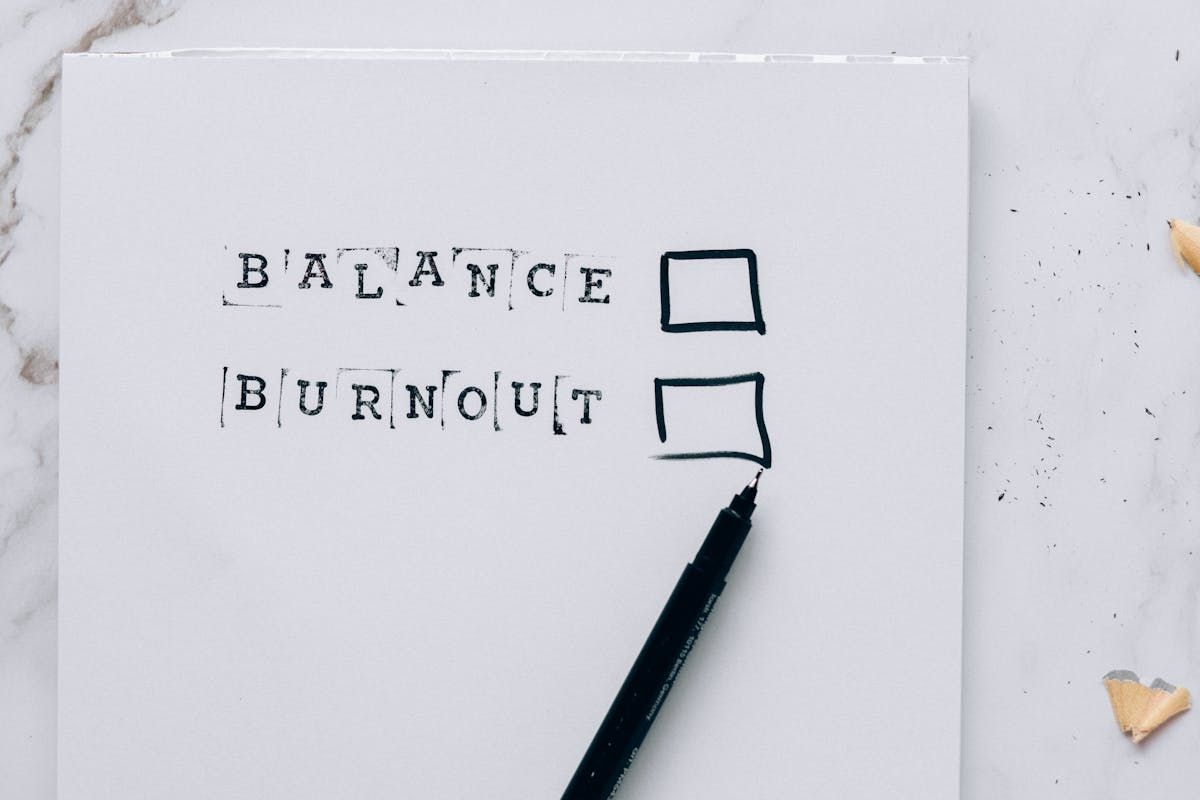

7 Hidden Signs You Are Headed for Burnout: Your Body's Secret Warning System
Burnout isn't just common anymore. It's celebrated.
Your Instagram feed glorifies the hustle. Your LinkedIn network brags about 80-hour workweeks. Your colleagues wear exhaustion like a badge of honor.
But what happens when your body starts screaming "STOP" while your ambition whispers "keep going"?
That crash isn't just uncomfortable—it's career-threatening. The most dangerous part? Burnout approaches silently before it attacks loudly.
Think of this guide as your early warning system. These seven silent alarms start blaring long before you hit the wall. Learn to recognize them now, and you'll protect both your health and your ambitions.
Because here's the truth: Sustainable success beats spectacular burnout every single time.
Warning Sign #1: Weekend Recovery Fails to Launch
Remember weekends that felt like mini-vacations? When Monday arrived and you felt refreshed, creative, and ready?
That feeling is now extinct.
Two full days off leave you just as exhausted as Friday. Your batteries aren't just low—they've stopped holding a charge completely.
Why This Happens
Your body's stress response system is stuck in the "ON" position. Cortisol levels refuse to drop, keeping you in high-alert mode even during downtime. Recovery becomes physically impossible.
The Real Danger
You start resenting weekends for being "too short." You pump yourself with caffeine on Mondays. You cancel social plans because you're "too tired." Each coping mechanism digs your hole deeper.
How to Fix It
Audit your time off. Are you genuinely resting, or filling weekends with chores, side hustles, and obligations? True rest might mean something different than you think.
Establish work-free zones. Create physical and digital boundaries between work and personal life. Try a technology sunset every Friday—all work devices go completely dark until Monday morning.
Evaluate your workload. If weekends consistently fail to recharge you despite your best efforts, your workload itself might be unsustainable. Can you redistribute tasks? Delegate? Have an honest conversation with your manager?
Remember: Your productivity depends on your recovery. When weekends stop working, don't push harder—pull back before your body forces a much longer timeout.
Warning Sign #2: The 3 AM Mind Marathon
It's 3:17 AM. The house sits silent. The world sleeps peacefully.
Everyone except you.
Your eyes stare at the ceiling while your brain sprints through tomorrow's presentation, last week's awkward client meeting, next month's project deadline, and seventeen ways everything could explode.
This isn't normal insomnia. This is your brain stuck in an unhealthy processing loop it can't escape.
The Vicious Cycle
Poor sleep creates poor performance. Poor performance triggers anxiety. Anxiety destroys sleep. Repeat until broken.
Your Brain on Burnout
Your brain evolved to solve threats. When work consistently triggers your stress response, your brain flags work thoughts as "URGENT: PROCESS IMMEDIATELY"—even at 3 AM when solutions are impossible.
Breaking the Cycle
Create a "worry download" ritual. Spend 15 minutes before bed writing down every task, concern, and idea swimming in your head. This signals to your brain "these thoughts are captured and don't need overnight processing."
Implement a digital sunset. Kill all screens at least one hour before bed. Blue light disrupts melatonin, and work content keeps your brain in active mode.
Develop a wake-up strategy. If you wake up, don't check the time repeatedly (this creates more anxiety). Get up briefly, move to another room, and do something quiet and boring until sleepiness returns.
Quality sleep isn't an optional luxury. It's the foundation of every cognitive function that makes you valuable at work. When your ambitious mind says sleep is negotiable, recognize this as the first symptom of the problem you're trying to solve.
Warning Sign #3: Small Tasks, Mountain-Sized Dread
Once upon a time, clearing your inbox felt satisfying. Answering a colleague's question took minutes. Making routine decisions happened automatically.
Now? These simple tasks paralyze you.
That ordinary email sits unopened for days. That minor decision feels impossible. That basic request makes your stomach twist with anxiety.
When routine responsibilities trigger disproportionate dread, your mental resources have reached critically low levels.
What's Happening in Your Brain
Your prefrontal cortex—the brain region handling decisions, planning, and self-regulation—requires massive energy. When chronic stress depletes your mental battery, even small decisions become overwhelming because your brain literally lacks the fuel to process them.
The Danger Zone
This warning sign accelerates quickly. Today you procrastinate on emails. Next week you miss important deadlines. Soon you make careless mistakes in core responsibilities. By then, recovery requires drastic measures.
Rescue Strategies
Embrace decision minimalism. Reduce non-essential choices in your personal life. Wear similar outfits. Eat consistent meals. Create structured routines that minimize decision points.
Break tasks into micro-steps. Don't put "respond to emails" on your list. Start with "open email app." This makes starting possible when your brain resists bigger tasks.
Use the two-minute rule. If something takes less than two minutes, do it immediately rather than planning to do it later. This prevents small tasks from growing into overwhelming mountains.
Remember: This isn't a character flaw—it's a resource problem. Just as a car low on fuel struggles with hills it once handled easily, your depleted brain struggles with tasks it once managed effortlessly.
Warning Sign #4: The Vanishing Joy Phenomenon
Dinner with friends used to excite you. Your favorite hobby brought automatic smiles. Work achievements, even small ones, delivered satisfaction and pride.
Now? These once-energizing activities feel like items on your to-do list—obligations to fulfill rather than experiences to enjoy.
This gradual disappearance of joy signals that your emotional reserves have been systematically drained to dangerous levels.
The Stealth Factor
Joy doesn't vanish overnight. It fades so gradually you barely notice until it's gone. The dinner plans you once eagerly anticipated? You secretly hope they get canceled. That creative project that used to energize you? It collects dust for weeks.
What's Really Happening
This emotional numbing isn't laziness or depression (though it can lead there). It's your psychological system conserving what little emotional energy remains by dampening all responses. Your brain has essentially turned down the volume on all emotional experiences, both negative and positive.
Rekindling Your Joy
Schedule joy as non-negotiable. Put activities that previously brought pleasure on your calendar, even when you don't feel motivated. Often, engagement itself reactivates dormant positive emotions.
Practice mindful enjoyment. When having coffee with a friend or engaging in a hobby, consciously direct your attention to sensory details and positive aspects. This counteracts the tendency to go through motions without emotional presence.
Conduct a joy audit. List activities, people, and experiences that reliably brought you happiness in the past. Systematically reintroduce these elements while temporarily reducing obligations that don't contribute to emotional replenishment.
Joy isn't just about feeling good—it's essential fuel for creativity, resilience, and motivation. When joy vanishes, you're not just losing pleasure; you're losing the energy source that powers both personal fulfillment and professional excellence.
Warning Sign #5: Physical Symptoms Without Medical Cause
The headaches started on Mondays. Then they appeared mid-week. Now they're your constant companion.
Or maybe it's the stomach issues that flare before important meetings. The mysterious back pain no stretching fixes. The constant fatigue despite sleeping more than ever.
You've visited doctors. Run tests. Tried medications. Nothing helps.
What you're experiencing isn't imaginary. It's your body's desperate attempt to communicate what your ambitious mind refuses to acknowledge: you've pushed your system beyond sustainable limits.
Your Body's SOS Signals
When your mind won't process excessive stress, your body takes over communication, translating psychological distress into physical symptoms that demand attention. Common manifestations include tension headaches or migraines, digestive disturbances, chronic muscle pain especially in neck and shoulders, sleep problems despite exhaustion, frequent minor illnesses, skin issues, and heart palpitations or chest tightness.
The Medical Maze
These symptoms often trigger a medical wild goose chase. You spend months seeing specialists, undergoing tests, and trying treatments that don't help because they address symptoms, not causes. Meanwhile, the real problem—unsustainable work patterns—continues unchecked.
Healing Strategies
Track symptom patterns. Record your symptoms alongside your work schedule and stress levels. Look for connections between high-stress periods and symptom flare-ups.
Activate your relaxation response. Implement regular practices that trigger your parasympathetic nervous system: deep breathing, meditation, progressive muscle relaxation, or time in nature.
Identify specific triggers. Notice if physical symptoms intensify around particular projects, people, or tasks.
Take these physical symptoms seriously as communication from your body, not as inconveniences to be powered through or masked with medications. Your body recognizes unsustainable patterns before your conscious mind admits them.
Warning Sign #6: The Cynicism Creep
Remember your early career enthusiasm? The excitement about possibilities? The belief in your organization's mission? The sense that your work mattered?
Now you catch yourself making sarcastic comments about company initiatives. You roll your eyes at leadership announcements. Words like "team building" or "company values" trigger automatic internal cringing.
This transformation from enthusiasm to eye-rolling is what psychologists call "cynicism creep." When your once-passionate perspective transforms into persistent negativity, your professional identity faces serious threat.
The Evolution of Disengagement
Cynicism typically develops in predictable stages. It begins with healthy questioning and critical thinking about processes or decisions. When repeated experiences suggest your concerns won't be addressed, disillusionment sets in. This leads to emotional detachment from outcomes, ultimately evolving into full cynicism characterized by pervasive negative attitude with bitterness, sarcasm, or contempt.
The Contagion Effect
Cynicism spreads, both within yourself and to others. Initially contained to specific frustrations, cynical attitudes gradually color your perception of everything work-related. Your expressed negativity then influences team dynamics, potentially creating a contagious cycle of disengagement.
Reclaiming Your Engagement
Perform a values alignment check. Identify your core professional values and assess how well your current role allows you to express them. Sometimes cynicism develops from fundamental value mismatches.
Practice work-specific gratitude. Daily identification of aspects of your job that you genuinely appreciate can counterbalance the negativity bias fueling cynicism.
Separate legitimate concerns from sweeping narratives. Challenge yourself to articulate specific issues rather than adopting global negative perspectives like "everything is broken."
Persistent cynicism rarely resolves without action. This might mean having candid conversations with management, seeking different responsibilities, or in some cases, planning a transition to an environment better aligned with your values.
While occasional frustration is normal in any job, entrenched cynicism signals a fundamental breakdown in your relationship with your work. Left unaddressed, it not only accelerates burnout but can permanently alter how you approach future opportunities.
Warning Sign #7: Productivity Despite Yourself
On paper, everything looks fine. Projects completed. Deadlines met. Tasks checked off.
From the outside, you appear to be functioning perfectly, perhaps even excelling. But internally, you feel increasingly hollow, going through motions that once energized you but now leave you empty.
This disconnect between external productivity and internal experience creates the most dangerous warning sign because it remains invisible to everyone around you.
The Automation of Excellence
You notice several disturbing patterns. You operate on autopilot, completing complex tasks without mental presence. Your work quality remains adequate but lacks the creative edge that once defined your best contributions. You feel nothing when completing projects that previously brought satisfaction. Your work process feels mechanical, as though you're watching yourself perform tasks rather than participating.
The Invisible Trap
Your continued performance reinforces the impression (both to others and yourself) that everything is fine. This makes it easier to ignore warning signs until collapse becomes inevitable.
What's Happening Physiologically
Your system has entered emergency mode—redirecting all available resources to maintain baseline performance while sacrificing everything deemed "non-essential": creativity, joy, connection, and ultimately, your health.
Breaking the Cycle
Acknowledge your internal experience. Productivity maintained at the expense of wellbeing isn't sustainable success—it's borrowed time.
Implement regular self-assessment. Ask questions beyond productivity metrics: "Am I engaged with this work or just going through motions?" and "Could I identify what felt meaningful about today's work?"
Create purpose-focused goals. Sometimes productivity continues while fulfillment vanishes because your work has disconnected from values and goals that matter to you.
Recognize that this warning sign indicates you're running on reserves rather than sustainable energy. Like a phone functioning on battery-saving mode, you've disabled important "applications" to keep the system running—but eventually, even this conservative operation will deplete completely.
The solution isn't working harder. It's acknowledging your current pattern is unsustainable and taking meaningful steps to restore balance before your system forces the issue through collapse.
Your Path Forward: From Warning Signs to Wellness
These seven warning signs aren't just symptoms to note—they're urgent calls to action.
Your body and mind communicate with you long before breaking down completely. Learning to hear these signals might be the most important career skill you ever develop.
Which warning signs are flashing in your life right now? What one small action could you take today to address your most pressing signal?
Remember: The most successful people aren't those who never experience burnout signals. They're the ones who respond to these warnings promptly and strategically.
Take action now, before your silent alarms become screaming sirens that everyone can hear.
Your future self will thank you.
Ready to Take Control of Your Professional Wellbeing?
If these warning signs resonated with you, you're not alone—and you don't have to navigate this challenge by yourself. Understanding burnout signals is just the first step toward creating a sustainable, fulfilling career that doesn't sacrifice your health or happiness.
At SkillOrbit, we've developed comprehensive courses designed to help ambitious professionals like you build resilience, manage stress effectively, and create sustainable success patterns. Our expert-led programs provide practical strategies, proven frameworks, and ongoing support to help you thrive in your career while maintaining your wellbeing.
Don't wait until burnout forces a crisis. Invest in your long-term success and discover how to build a career that energizes rather than depletes you.
Explore the full interactive and AI-Powered new course at SkillOrbit.io and take the first step toward a more balanced, sustainable approach to professional excellence.